What is a safe room storm shelter and how is it different from traditional shelters?

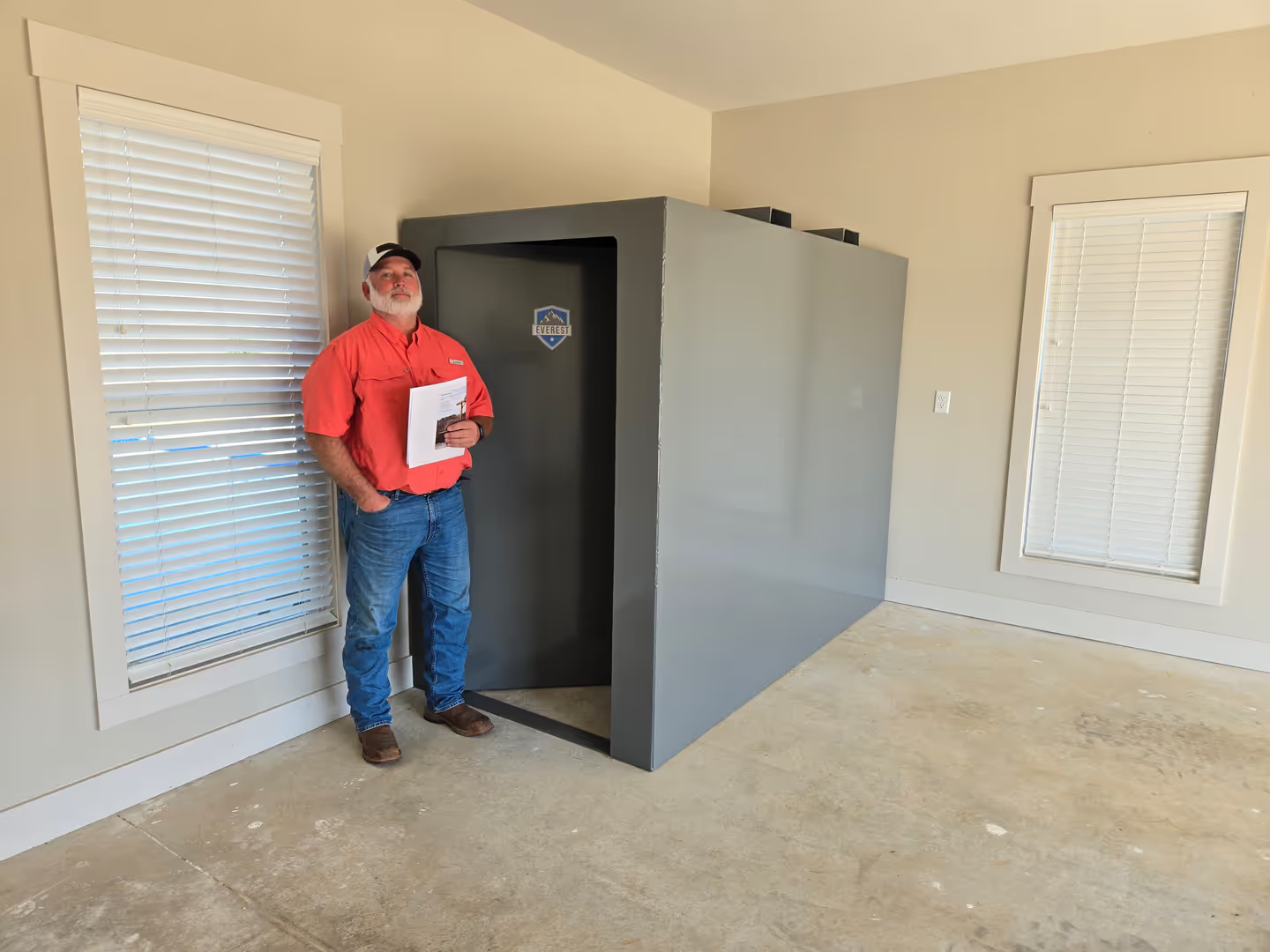
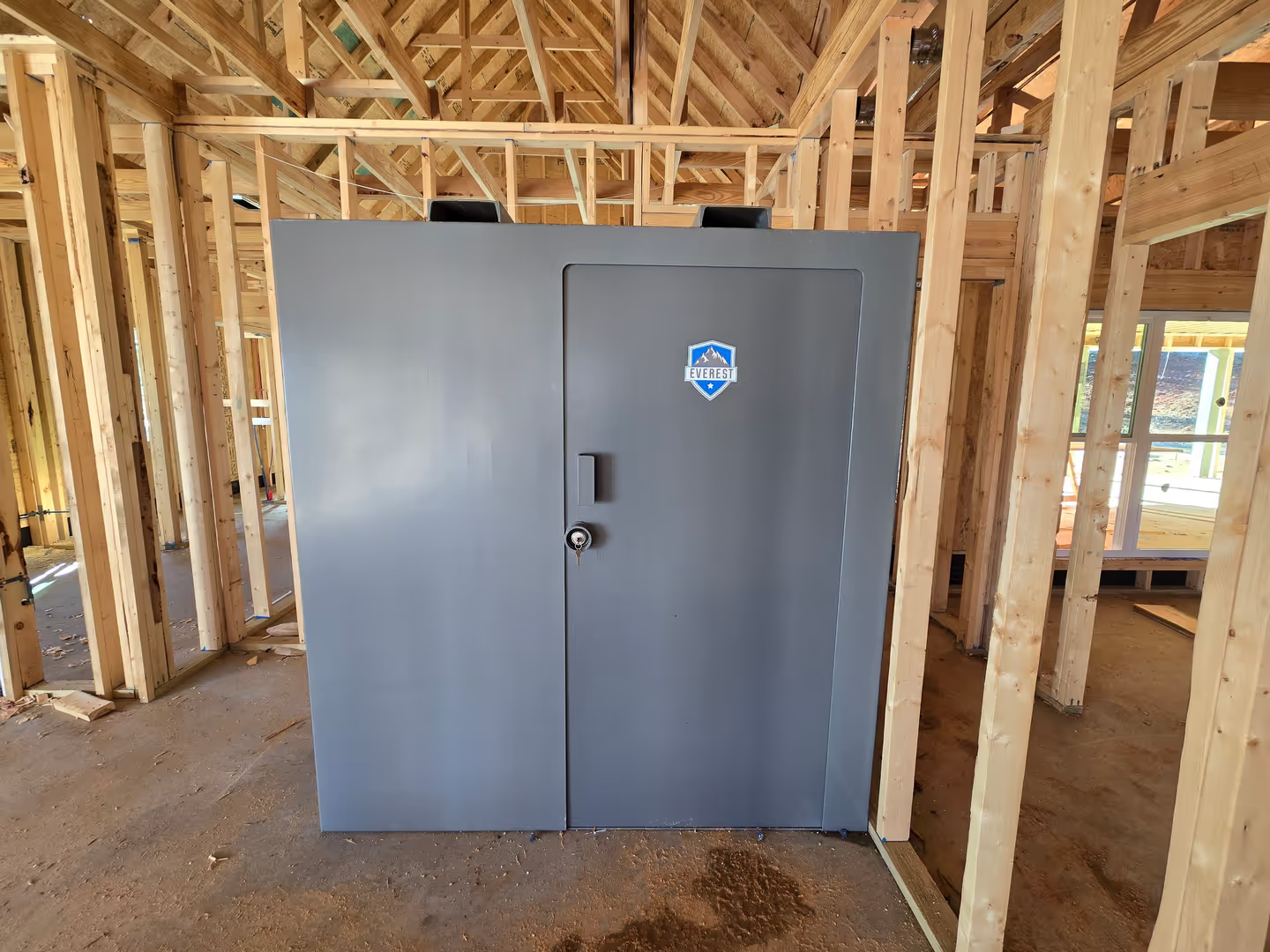
A safe room storm shelter is a hardened structure specifically engineered to meet FEMA P-361 or ICC 500 standards, providing "near-absolute protection" from extreme wind events like EF5 tornadoes. Unlike traditional shelters—such as basic cellars or reinforced closets—a certified safe room is a self-contained unit rigorously tested to withstand 250 mph winds and heavy debris impact.
While a standard storm shelter room might simply offer a place to hide, a safe room is a precision-engineered life-safety system designed to remain intact even if the rest of the building is completely destroyed.
A Closer Look at the Safe Room Storm Shelter
While the terms are often used interchangeably, a safe room storm shelter represents the highest tier of engineering in the storm protection industry. Understanding the nuances between a standard shelter and a certified safe room is essential for any homeowner prioritizing "near-absolute protection."
What Actually Works (and Why): Engineering Storm Safe Rooms
The primary difference lies in the testing protocols. While a general what is a storm shelter query might lead you to basic reinforced structures, a true safe room must pass the missile impact test. This involves firing a 15-pound 2x4 wooden plank at 100 mph directly at the walls and door.
- Structural Independence: Unlike a reinforced closet, a safe room is built as a "room within a room," meaning its walls and ceiling are structurally separate from the house. Even if the home is leveled, the safe room remains standing.
- Ventilation and Latching: Professional storm safe rooms feature multi-point locking systems and debris-protected ventilation that ensures air flows even if the exterior is covered in wreckage.
What Influences the Right Choice for a Residential Storm Shelter
Deciding on a residential storm shelter depends on your home’s layout and your family's specific needs:
- Above-Ground Accessibility: For those with limited mobility, an above-ground safe room provides immediate access without stairs or ladders.
- Material Integrity: Options like an unpainted concrete above-ground storm shelter offer incredible mass to resist wind lift and flying debris.
- Multi-Purpose Use: Many modern safe rooms double as panic rooms for home security or secure storage for valuables.
Safe Room for Tornadoes: Where Most People Get It Wrong
The most dangerous misconception is that a basement is automatically a safe room. Without a FEMA-compliant overhead slab, a basement can become a trap if the house collapses above it.
Similarly, many believe that any steel box qualifies as a safe room for tornadoes. In reality, without proper anchoring to a reinforced concrete pad, a shelter can be displaced by wind loads. True safety comes from the synergy of debris-tested materials and professional installation that meets FEMA P-361 guidelines.
What You Need to Know Before You Decide on a Safe Room Storm Shelter
Choosing between different types of storm shelters requires an understanding of how engineering standards impact your safety. Before you invest in a safe room storm shelter, consider these vital factors:
- Standard Compliance: A legitimate safe room must be tested to meet FEMA P-361 or ICC 500 standards. This ensures the structure can withstand 250 mph winds and significant debris impact.
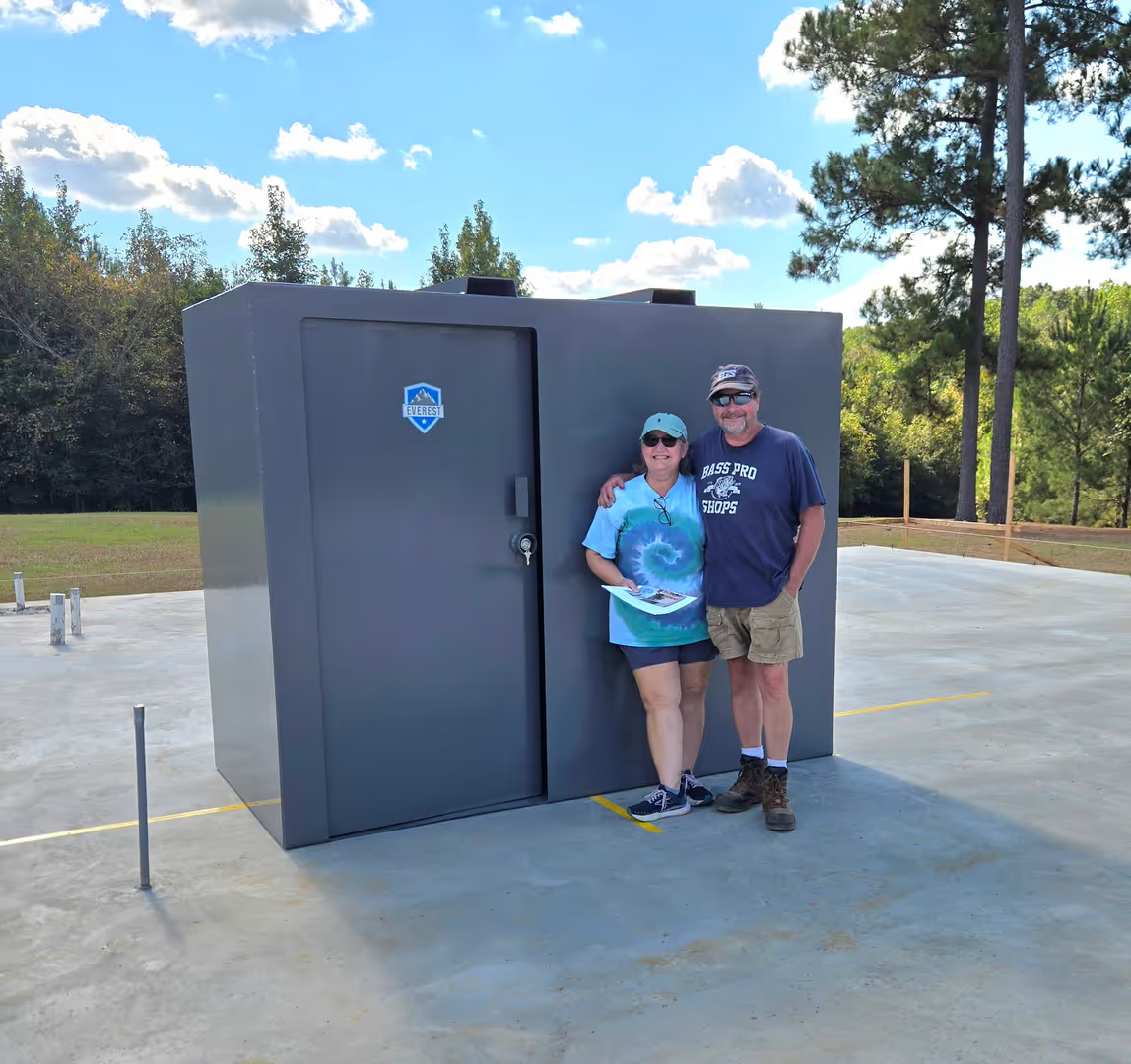
- Foundation Requirements: Unlike a basic storm shelter room, a certified safe room must be anchored to a reinforced concrete slab specifically designed to resist the extreme uplift and overturning forces of a tornado.
- Accessibility: For families with mobility issues or those who want the fastest entry possible, an above-ground unit is often the superior choice compared to traditional pits.
- Capacity: Ensure the unit provides at least 5 square feet per person for a tornado safe room. This prevents overcrowding and ensures everyone can remain in the shelter comfortably for the duration of the storm.
- Grant Eligibility: Many community shelters and residential safe rooms qualify for state or federal rebates if they meet strict FEMA guidelines.
Choosing the Right Option for Your Situation
The effectiveness of a safe room storm shelter depends largely on your specific environment and household requirements. Whether you are dealing with Alabama’s red clay or a high water table, the right choice ensures long-term durability and safety.
- For High-Water Tables and Flooding: In low-lying or coastal areas where underground units may face buoyancy or water intrusion issues, an above-ground safe room is the safest choice to avoid flooding risks during heavy rains.
- For Limited Indoor Space: If your home layout cannot accommodate a storm shelter room inside, a specialized unpainted concrete above-ground storm shelter can be installed adjacent to the home, providing a massive, immovable refuge without remodeling your interior.
- For Families with Pets or Seniors: Accessibility is a primary concern. A tornado safe room with a flush-to-ground entry is significantly more practical than a ladder-access pit for those with mobility challenges or for moving large pets quickly.
- For New Construction: If you are building a new home, integrating a safe room during the framing stage allows it to be hidden within a closet or pantry while utilizing the home’s reinforced foundation.
From Engineering to Peace of Mind: Real-World Results
In actual practice, the distinction between a generic "shelter" and a certified safe room storm shelter becomes clear during post-storm inspections. While traditional underground pits have been used for decades, real-world data from events like the 2011 Joplin tornado and more recent Alabama outbreaks show that above-ground safe rooms perform with equal reliability when anchored correctly.
The key to success in real projects isn't just the walls; it’s the continuous load path—the engineering that ensures the unit stays bolted to the earth even when the home around it is swept away.
Professional installers now prioritize the "near-absolute protection" of units like the unpainted concrete above-ground storm shelter. Because concrete doesn't corrode like steel or float like fiberglass in Alabama's saturated soils, it has become a favorite for long-term residential safety.
Observers also note that the best outcome in a real emergency comes from accessibility. A safe room located in a garage or just outside a kitchen door is used far more consistently than a distant backyard cellar. By moving the storm shelter room closer to daily life, homeowners significantly reduce the time spent in the "danger zone" during a sudden tornado warning.
Final Thoughts on Your Safe Room Storm Shelter
Choosing between the various types of storm shelters ultimately comes down to your family’s specific accessibility needs and the level of protection you desire. While traditional cellars have their place, a certified safe room storm shelter offers the most advanced engineering to keep you safe from EF5-strength winds and flying debris.
Whether you opt for a residential storm shelter located underground or a versatile above-ground safe room, the most important step is ensuring the unit is FEMA-compliant. By investing in a professionally installed, high-quality refuge, you can face Alabama's storm season with absolute confidence and peace of mind.
.webp)